Aspirin use low among high-risk colorectal cancer group
A study found that people with Lynch syndrome rarely use aspirin for cancer prevention despite evidence suggesting it may lower risk. The CAPP2 trial previously showed a benefit in this group.

A study found that adding safety reminders to AI models reduced their tendency to make harmful clinical decisions. The approach may improve AI reliability in healthcare settings.
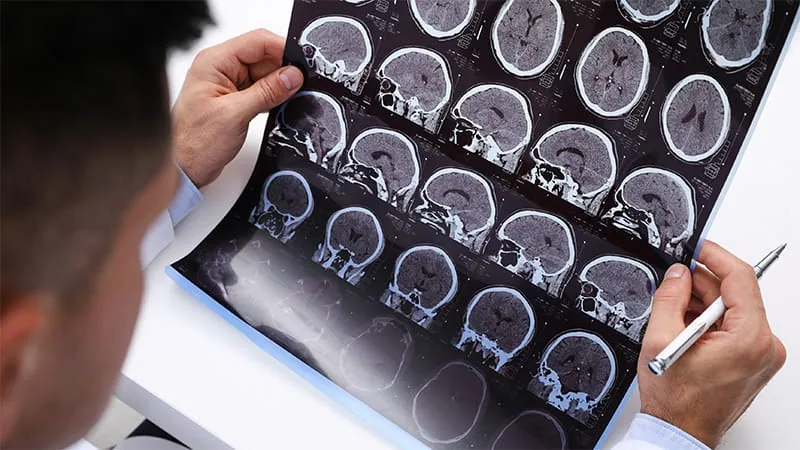
A study found that people who developed Alzheimer's before 65 had more health problems in the five years before diagnosis. These issues were more common than in people without the disease.
Researchers identified new genetic candidates that may help explain why autism is diagnosed more often in males. The findings suggest a possible link between these genetic factors and the gender disparity in autism rates.
Research suggests immune responses vary widely among people infected with the same virus strain. These differences may explain why some experience mild symptoms while others face severe illness.
Researchers identified a mechanism that allows metastatic colorectal cancer to evade the immune system. The findings may help in developing new treatment strategies.
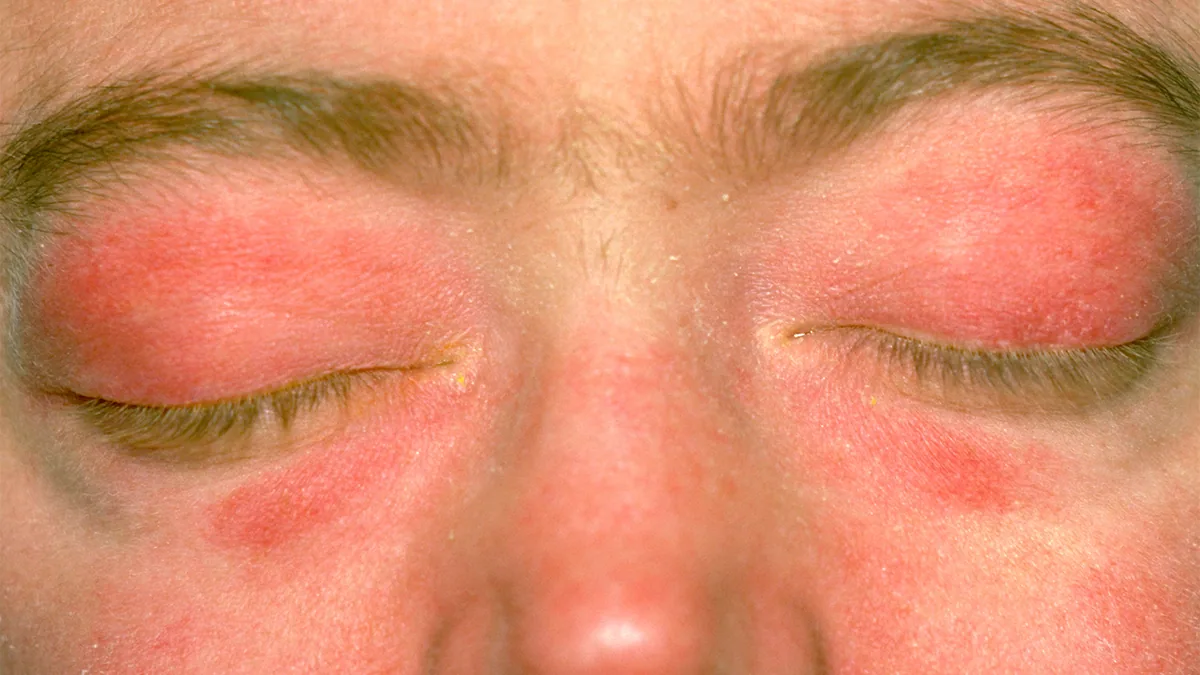
Recent advances show new treatment options for dermatomyositis. Researchers report increased activity in developing therapies for the condition.
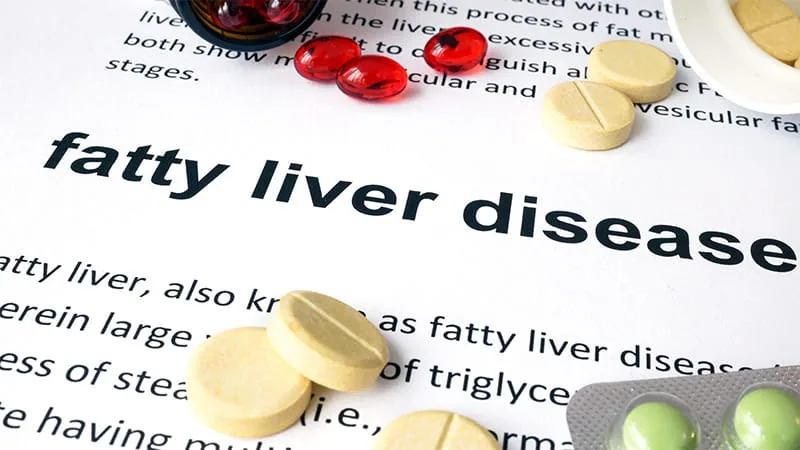
A study found a subtype of MASLD with high IgA levels was linked to liver-related events. This subtype may affect patients without advanced fibrosis.
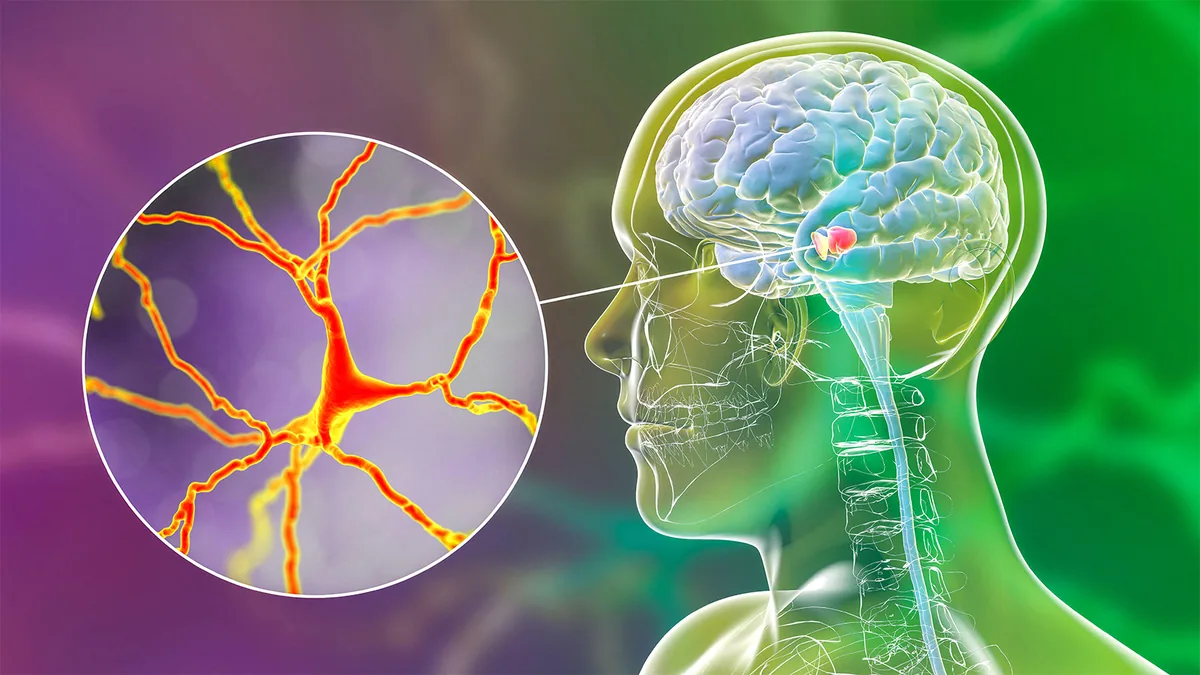
A protein called alpha-synuclein abnormally aggregates in Parkinson's disease. Researchers found increasing levels of a protective protein suppressed this buildup and more than doubled lifespan in a mouse model.
A study found immune systems age at different rates in people of the same age. Researchers mapped immune cell changes to explain why some older adults have stronger defenses than others.
Researchers identified a signaling pathway that may improve blood stem cell transplantation. The finding suggests potential for enhancing bone marrow transplants and gene therapies.
Chronic intestinal inflammation may affect heart function through changes in gut bacteria and immune cells, according to a study. The findings suggest a possible link between gut health and cardiovascular risk in those with inflammatory bowel disease.
Young people in South Africa on long-acting injectable HIV treatment achieved high viral suppression rates. All participants who completed the study opted to continue the treatment.
Low apical rotation on echocardiography was associated with left ventricular thrombus after anterior myocardial infarction, even when ejection fraction was normal. The finding may help identify high-risk patients.
A phase 3 trial found that adding felzartamab to a standard regimen may improve progression-free survival in Chinese patients with relapsed multiple myeloma. Results are preliminary and require further confirmation.
Intensive blood pressure control was linked to reduced cardiovascular risk but also associated with a decline in kidney function. The findings come from a study involving individuals with and without chronic kidney disease.
Pregnant and breastfeeding patients are often excluded from clinical trials. A new draft international guidance aims to address this gap in evidence.
A new study suggests bipolar disorder may increase the risk of Parkinson’s disease, and Parkinson’s may also raise the risk of bipolar disorder. Previous research had only shown one direction of risk.
A study in Nature Aging suggests that age and sex may affect cancer immunity, based on mouse experiments and human data. Findings may inform how immunotherapy responses vary.
Frailty was linked to dementia being diagnosed 2-3 years earlier in older adults, according to research. The association was independent of factors like sex, education, and apolipoprotein E4 status.
A phase 3 trial found resmetirom's impact on MASH, fibrosis, and liver fat does not vary significantly by common genotypes linked to more severe disease.
AI has been tested in various healthcare areas, including diagnostics and digital clinics. Researchers found it may improve processes without significant cost increases.
Researchers developed an AI system that can distinguish Ewing sarcoma from similar tumors with high accuracy. The model was validated using data from multiple cases.
A study found a specific type of neuroblastoma cell associated with poorer treatment responses. Researchers identified these cells through analysis of tumor samples.
A study found immune system changes may be linked to lung cancer risk years before diagnosis. Researchers used blood tests to detect these changes and tested drugs to reverse them.
Researchers found rare immune cells in abdominal fluid from cancer patients, which may influence how tumors spread. The study suggests these cells are part of immune programs tied to metastasis.
A trial found nearly 90% of rheumatoid arthritis patients on targeted therapies could cut their dose by half without worsening disease activity. Researchers say this suggests dose reductions may be an option for some patients.
A real-world study found AI tools in primary care were linked to both improved efficiency and challenges in patient interactions. Researchers noted varied impacts on workflow and patient satisfaction.
A brain-imaging study found intensive breathing can reduce brain blood flow by up to 45% and alter brain network communication. Participants reported altered perception and experiences similar to some effects of psychedelic drugs.
A study found that regular consumption of unsalted, skin-roasted peanuts may be associated with better brain insulin responsiveness. The research was conducted over a long-term period.
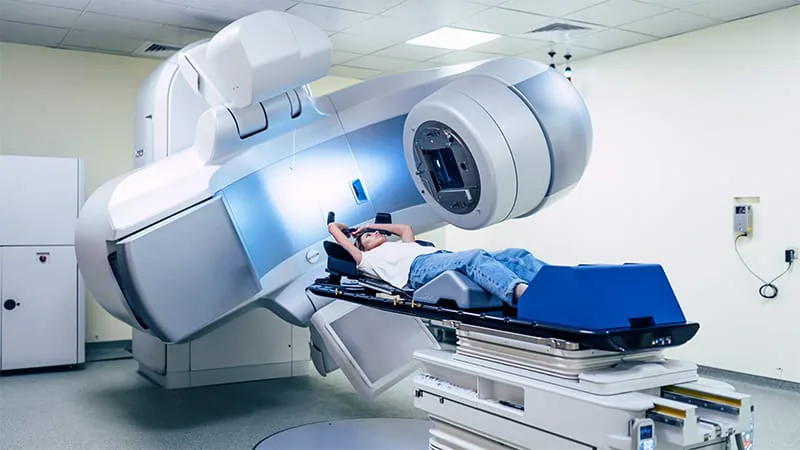
Lung cancer patients who receive radiation may face an increased risk of developing pulmonary hypertension. The condition involves elevated pressure in lung arteries, which can worsen over time.
A study suggests mechanical cell memory could help facial tissues retain elasticity. Researchers found it may reduce signs of aging such as crow's feet and laugh lines.
Research suggests horseback riding may reduce hyperactivity and improve emotional challenges in autistic youth and those with other psychiatric disorders. The study involved children with autism and similar conditions.
A study found older adults with a history of ADHD were more likely to develop dementia. Researchers say the link was observed but not proven to be causal.
A study found that myelodysplastic syndromes may be associated with impaired bone health. Researchers observed connections between blood formation and bone structure in older adults.
A trial found no significant clinical benefit from nicotinamide riboside in early Parkinson's disease. The NOPARK trial tested the supplement's effect on disease progression.
Research suggests gut microbes may affect how the body responds to vaccination. Findings highlight variability in immune reactions among individuals.
A nasal vaccine additive was linked to improved survival in mice infected with flu 100 days after treatment. The finding comes from lab research on respiratory virus protection.
An enzyme inhibitor was tested in mice after heart attacks and showed potential in limiting scar tissue formation. The study suggests it may help preserve heart function by reducing excessive collagen production.
Two international studies show some human milk components respond to maternal nutrition, while others remain stable or reflect lactation and infant growth processes.
Researchers reprogrammed red blood cell precursors from 80-year-olds into stem cells with molecular age under 20. The process may offer insights into cellular rejuvenation, though it remains experimental.
A study suggests fermented foods could be associated with improved muscle health. Researchers found a possible connection between gut health and muscle function.
Engineers created a three-layer model of human blood vessels to study how a rare aging disease affects the vascular system. The model may improve understanding of Hutchinson-Gilford progeria syndrome.
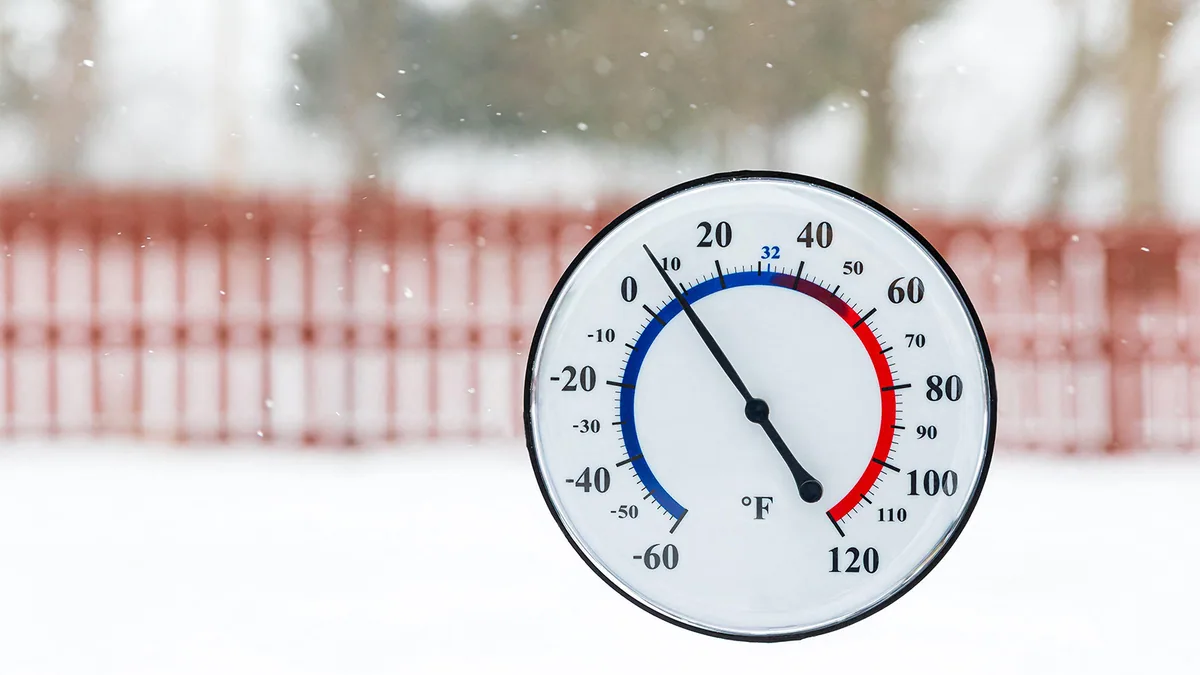
A study found that recent outdoor temperatures may help clinicians determine if a virus is behind cases of infectious gastroenteritis in children. The analysis involved over 800 children.
Preliminary research suggests that masked high blood pressure in adults over 78 is linked to a 70% higher risk of falls compared to those with consistently high readings. The findings were presented at a medical conference.
A study found that ECGs taken during sleep, combined with sleep stage data, may be used to assess future heart risks. The model was trained on data from sleep studies and showed potential for early detection.
A new study found certain diets may be linked to better cognitive performance. However, current guidelines do not have enough data to make a recommendation.
A study found that eating late at night was associated with increased risk of fatty liver disease and cirrhosis. Researchers suggest this may be due to changes in metabolism.
A lotion based on olive oil may remove scabies mites and their eggs with a single use, according to a report. The condition affects around 400 million people globally each year.
A new wrist device provides noninvasive stimulation for people with Tourette's. Early results suggest it may help manage symptoms, though more research is needed.
A wearable patch can monitor brain activity and may help improve deep sleep. Researchers tested the device on a small group of participants.
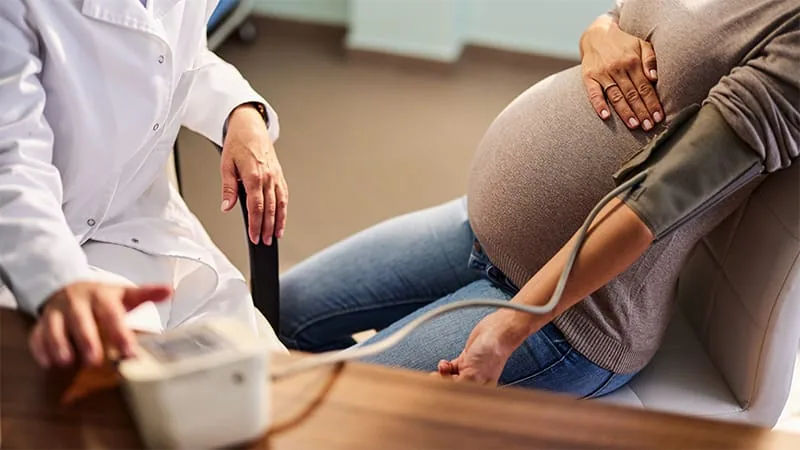
Women with hypertensive disorders during pregnancy may face a higher risk of dementia later in life. However, the link weakens when considering postdelivery health factors.
A new study found a fourfold increase in onycholysis among users of GLP-1 receptor agonists. Researchers observed a connection between these medications and nail disorders.
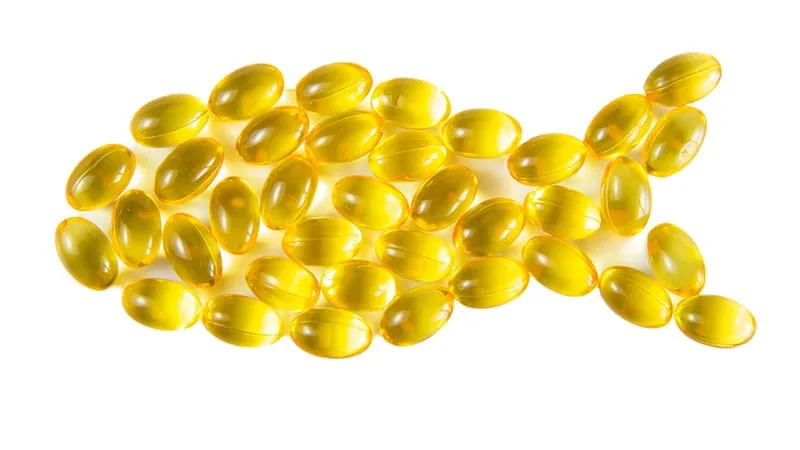
A two-year trial found high-dose DHA reached the brain but did not improve memory or cognitive function. Researchers say the results suggest further study is needed.
A Norwegian analysis found no evidence that ADHD medications improve long-term academic grades in children and adolescents on the margin of treatment.
A study on radiation therapy for knee osteoarthritis showed statistically significant results but lacked a sham control group. Researchers say the trial's design limits its conclusions.
People with type 1 diabetes may have twice the risk of developing demyelinating diseases, according to data from two large databases. The finding suggests a possible connection between autoimmune conditions.
Research suggests pain in systemic sclerosis is associated with psychological factors and physical function. The findings highlight the complex relationship between pain, mental health and daily activities.
Researchers have generated spermatogonia-like cells that resemble those in testes after birth. The work is in early stages and has not yet produced functional sperm.
New research suggests that when people juggle tasks, information from one may transfer to another. This was observed through brain activity patterns during multitasking experiments.