Rural communities face higher pipeline risks amid health disparities
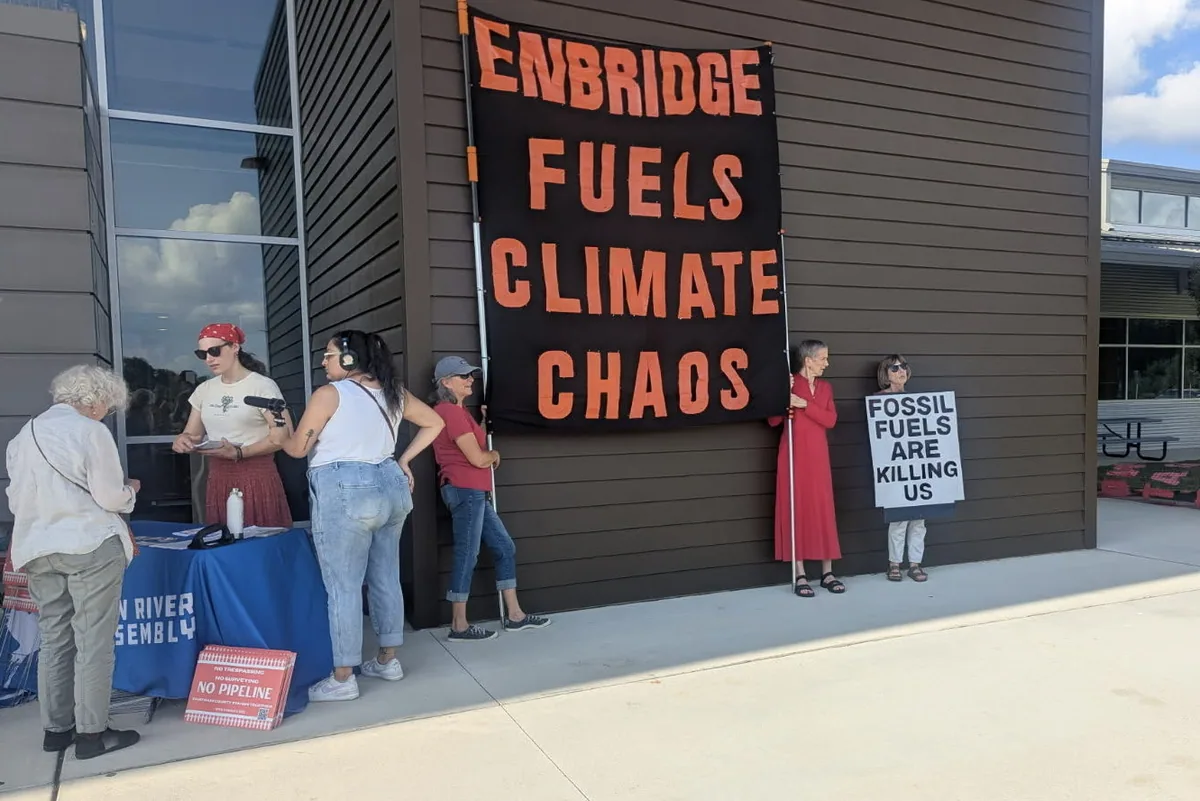
Research links natural gas pipeline projects to areas with higher poverty and disability rates. These regions often lack resources to manage public health crises tied to such developments.
Low-income and minority populations are disproportionately affected, based on observational study findings.
Pipeline locations and health
Natural gas pipelines are more frequently located in low-income and minority communities, where residents report higher rates of poverty and physical disabilities.
Health crisis response
Residents in these areas have fewer resources to respond to public health emergencies linked to pipeline construction and operation.
Common questions
Are pipelines linked to health issues in specific communities?
Yes, research shows they are more common in low-income and minority areas, where health risks and poverty rates are higher.
How do these communities respond to health crises?
They often have fewer resources and support systems to manage public health emergencies related to pipeline projects.
Sources
- ‘We Are Seen as Disposable’: Rural Residents Fight a Proposed Gas Pipeline By Fred Clasen-Kelly, KFF Health News · kffhealthnews.org
Headlines and links belong to the publishers listed above. The summary above is written by The Health Brief; see how this works.